
Our Team
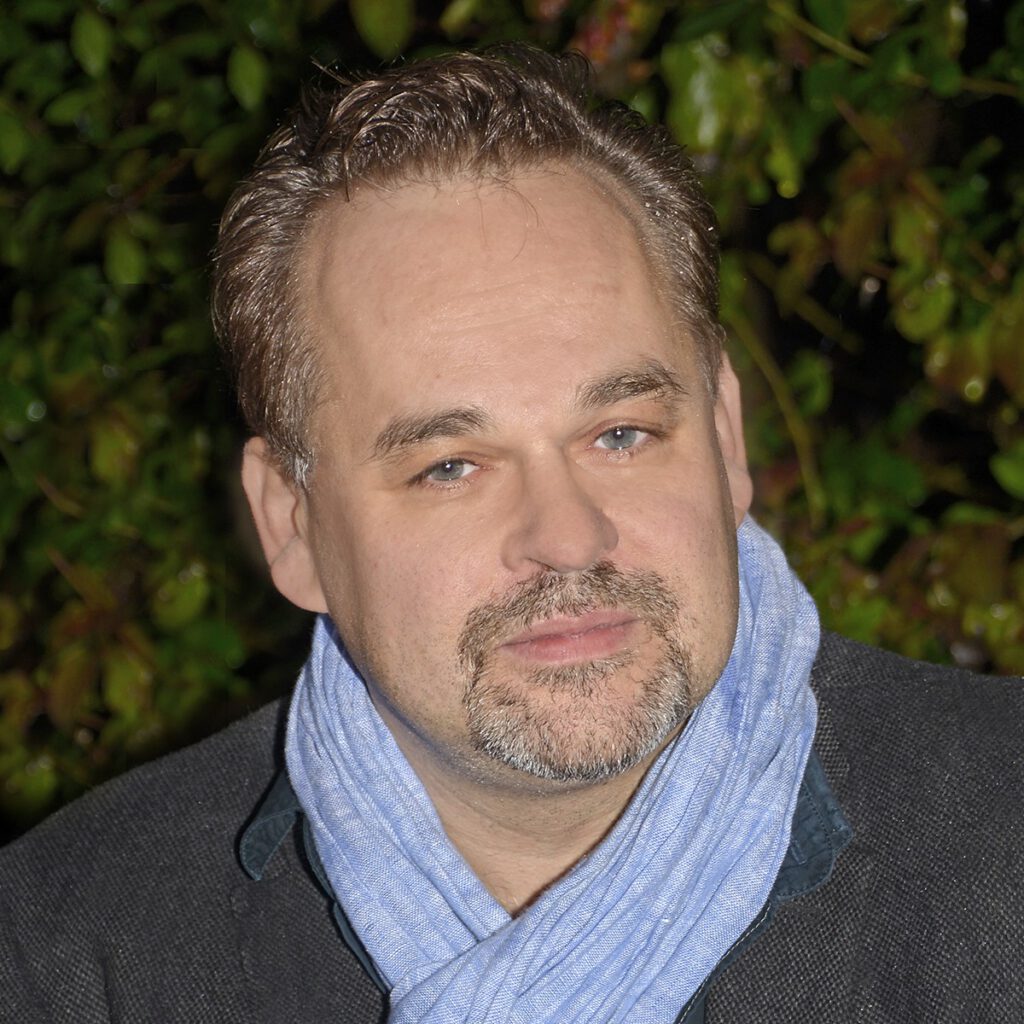
Prof. Dr. Markus May
is Professor of Modern German Literature at Ludwig-Maximilians-Universität München. He studied German Studies, English Studies, and Theatre Studies at Friedrich-Alexander-Universität Erlangen-Nürnberg, Trinity College Dublin, and Katholieke Universiteit Leuven. His research focuses on genres of the fantastic (such as horror, science fiction, and fantasy) across their (inter-)medial forms, ranging from literature, film, and television series to graphic novels and video games. He is particularly interested in the impact of fantastic phenomena on everyday culture, as well as issues of productive reception, their economic and ideological implications, and aspects of literary, media, and cultural theory.
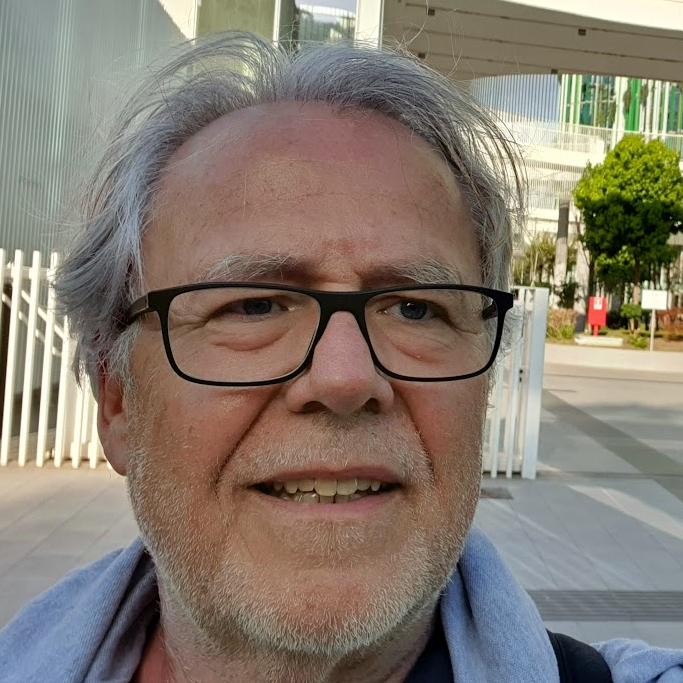
Prof. Dr. Christoph Bläsi
has been Professor of Book Studies at Johannes Gutenberg University Mainz since 2009, specializing in the publishing industry and digital publishing. Following his training as a computational linguist, he previously worked in the publishing sector and at various universities. His current research primarily focuses on AI applications in publishing, economic aspects of educational media, and systematic dimensions of reading research. Another focal point is the textual analysis of genres such as cookbooks and science fiction literature, which he examines using mixed-methods approaches combining close reading, hermeneutics, and computational philology.
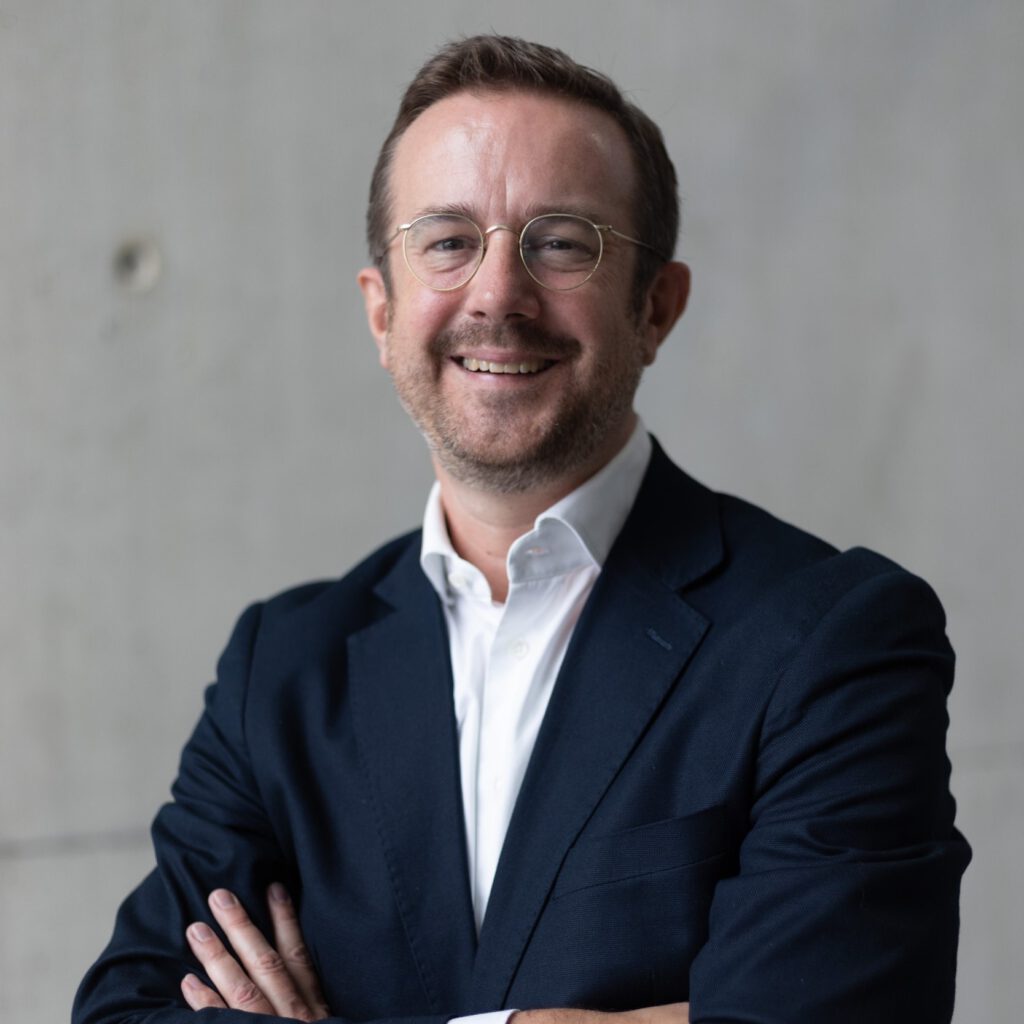
Prof. Dr. Jan Oliver Schwarz
is Professor of Strategic Foresight and Trend Analysis and Head of the Bavarian Foresight Institute at Technische Hochschule Ingolstadt. He studied Economics at Witten/Herdecke University and Futures Studies at Stellenbosch University in South Africa, focusing on the use of contemporary literature for foresight development during his doctoral studies at Berlin University of the Arts. In his work, he connects science fiction with foresight, prototyping, business model innovation, and design thinking, with research exploring the corporate application of science fiction and the deployment of speculative narratives to investigate future domains of life.

Dr. Can-Elliot Sachs
is a researcher and lecturer at LMU Munich, where his teaching primarily focuses on the digital humanities. He completed his doctorate there in 2025 with the dissertation Anthropozän und Ökologie – Eine transdisziplinäre Analyse der Entwicklung des Umweltbewusstseins in Deutschland (Grade: Summa cum laude, 0.5). The monograph was published open access under the same title by Springer Nature. Together with Prof. Markus May and Dr. Christiane Raabe, he co-edited the volume No Future Now? Dystopien und Apokalypsen(Universitätsverlag Winter, Heidelberg). His research focuses on digital humanities methods and applications, transdisciplinary perspectives on the Anthropocene discourse, and comparative literature on 20th-century fantasy. Previously, he was a Digital Humanities Fellow at the German National Library, where he published the paper “Die Entstehung des Umweltbewusstseins in Deutschland. Eine Metadatenanalyse der Publikationslandschaft der Deutschen Nationalbibliothek.” He attended the EUROPAEUM Winter School on “Planetary Wellbeing” in Barcelona and studied German Studies (M.A.) and Law (Bachelor of Laws) at LMU Munich.
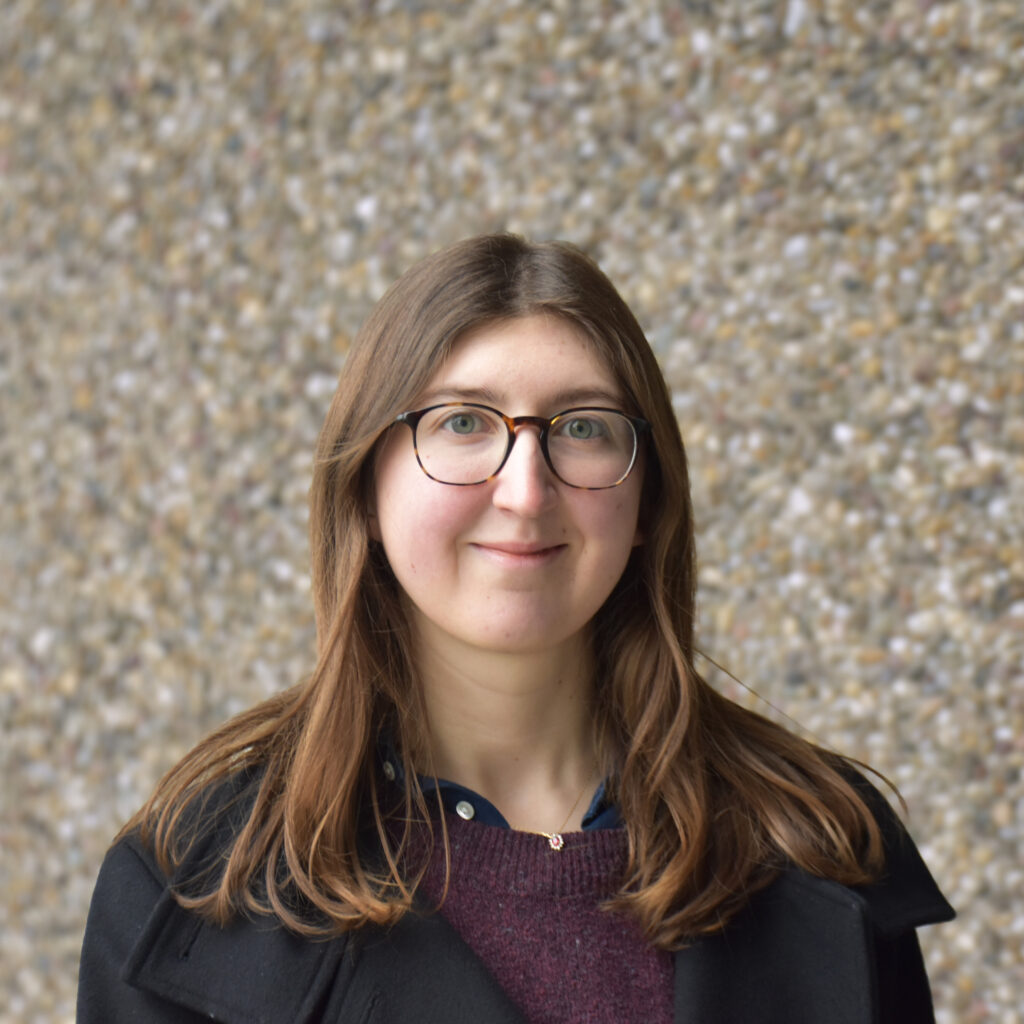
Johanna Mauermann
has been a research associate on the FOREXSCIFI project since June 2026. She studied Digital Methods in the Humanities and Cultural Studies (M.A., 2026) in Mainz, as well as Comparative Literature and German Studies (B.A., 2023) in Mainz and Geneva. In her master’s thesis, she investigated the use of large language models for identifying and analyzing book reviews in historical newspapers, while her bachelor’s thesis examined the literary portrayal of androids across two novels. Alongside her role at FOREXSCIFI, she currently works at the BMFTR-funded HERMES Data Competence Center at the Leibniz Institute of European History (IEG) in Mainz.
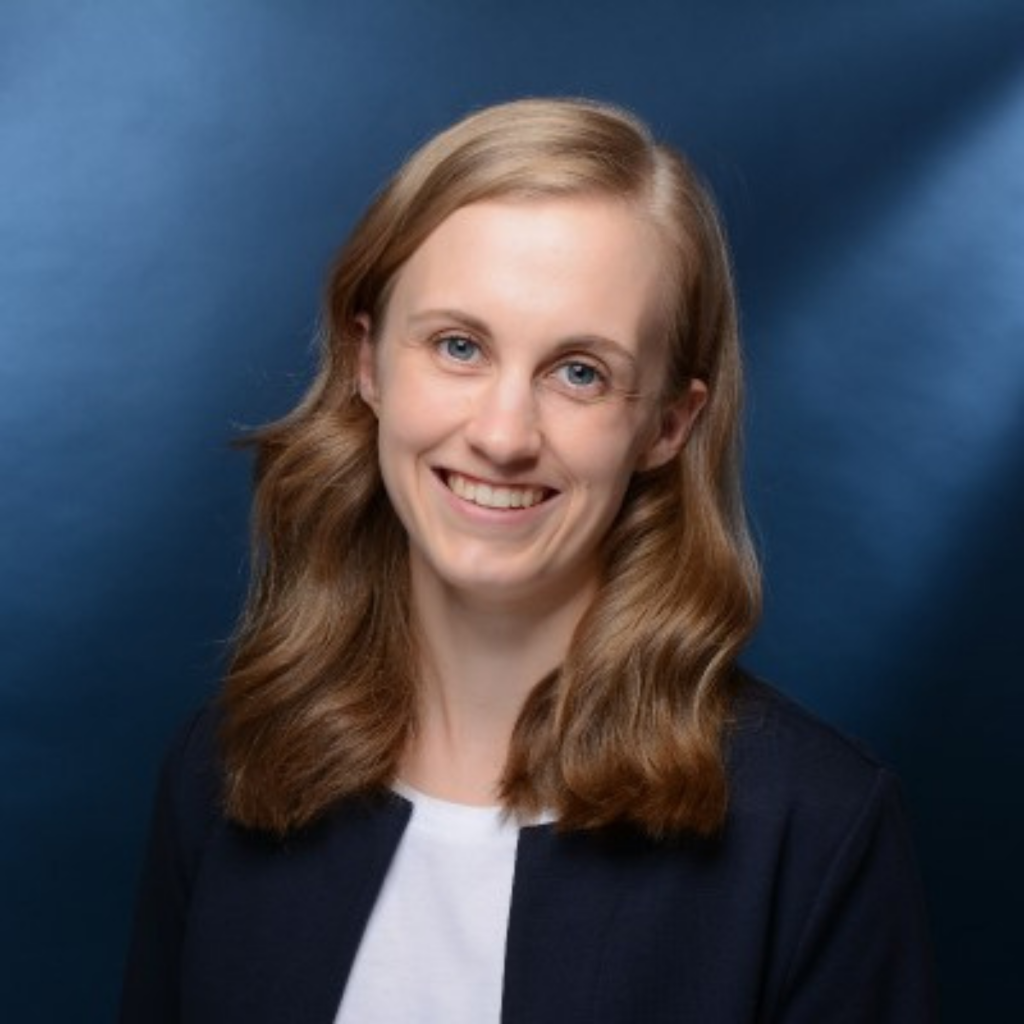
Linnet Moxon
is a research associate at the Bavarian Foresight Institute at Technische Hochschule Ingolstadt. She studied German Linguistics and Computational Linguistics at the University of Stuttgart and wrote her master’s thesis on the application of retrieval-augmented generation for question answering in cybersecurity. Her research interests focus particularly on the impact of language on mental models and cognitive bias, as well as the transfer of scientific knowledge into society.